
For every Class 11 student across India — whether you’re in Science, Commerce, or Humanities — English is the one subject that’s genuinely compulsory for everyone, making it the great equaliser across all three streams. But here’s what many students don’t realise until it’s too late: CBSE actually offers two distinct versions of English at this level, English Core and English Elective, and choosing the wrong one — or misunderstanding which skills each version actually tests — can genuinely affect how comfortably you handle both your school exam and later competitive tests like CUET, where strong English comprehension consistently pays off. Understanding this distinction clearly, along with exactly how marks are distributed across reading, writing, grammar, and literature, is what turns a subject many students treat casually into a genuinely manageable, even scoring, part of your Class 11 report card.
Let’s break down everything you need to know.
CBSE Class 11 English 2026-27: Quick Overview
| Particulars | Details |
| Conducting Authority | Individual schools, following CBSE guidelines |
| Subject Options | English Core (Code 301), English Elective (Code 001) |
| Total Marks | 100 (Theory: 80, Internal Assessment: 20) |
| Exam Duration | 3 hours |
| English Core Structure | Part A: Reading Comprehension, Part B: Creative Writing and Grammar, Part C: Literature |
| Literature Section Weightage (Core) | 31 marks |
| Competency-Based Questions | Approximately 50% of the paper |
| Internal Assessment Components | Listening and Speaking skills, Project Work |
| Official Source | cbseacademic.nic.in |
Since English Core is compulsory for every student regardless of stream, while Elective is a specialised choice for those genuinely interested in literature, confirming which version applies to you is the essential first step before diving into any preparation.
Understanding English Core Versus English Elective
This is genuinely the most important distinction to grasp before you start studying. English Core, designated Subject Code 301, is designed for all students irrespective of their chosen stream, focusing on developing reading comprehension, grammar, creative writing, and foundational literature appreciation — skills every student needs regardless of their future academic path.
English Elective, designated Subject Code 001, is a considerably more advanced, literature-oriented option. It emphasises critical appreciation and deeper analytical reading of prose, poetry, drama, and fiction, making it suitable specifically for students with a genuine interest in English literature, humanities, or those planning higher studies centred around English as a discipline.
Since most students across Science, Commerce, and Humanities streams take English Core as their compulsory subject, this guide focuses primarily on that structure, while also covering what makes Elective genuinely different for students who do choose it.
Understanding the Theory and Internal Assessment Split
CBSE Class 11 English carries a total of 100 marks, divided between an 80-mark theory examination and a 20-mark internal assessment component. This internal assessment specifically includes listening and speaking skills evaluation alongside project work — components that reward consistent classroom participation and engagement throughout the year rather than last-minute preparation.
Given that speaking and listening skills form a genuine part of your internal assessment, actively participating in classroom discussions, presentations, and any structured speaking activities your school conducts throughout the year contributes meaningfully to this portion of your final score.
English Core: Understanding the Three-Part Structure
The English Core theory paper is organised into three distinct parts, each testing a different set of skills.
Part A: Reading Comprehension
This section tests your ability to read and interpret unseen passages, evaluating:
- Understanding of the central theme and specific details within a passage
- Vocabulary and word usage in context
- Inference-based questions requiring interpretation beyond literal text
Since this section typically carries substantial weightage within the reading skills component, consistent daily reading practice — across varied topics and writing styles — genuinely builds the comprehension speed and accuracy this section demands.
Part B: Creative Writing and Grammar
This section tests practical writing skills alongside grammatical accuracy, covering formats including:
- Classified advertisements
- Poster writing
- Speech writing
- Debate writing
Alongside these creative writing formats, this section also tests grammar concepts relevant to practical, everyday communication. Since these writing formats each follow specific structural conventions — a poster differs genuinely from a formal speech in tone and layout — practicing each format specifically, rather than assuming general writing ability transfers automatically, helps you score well across this diverse section.
Part C: Literature
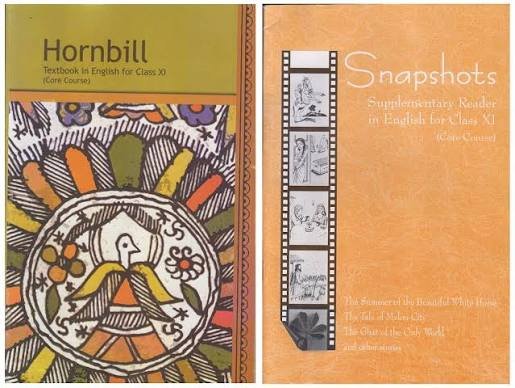
Worth 31 marks within the theory paper, this section covers prescribed literature textbooks and supplementary reading materials. Given its substantial weightage, this section deserves genuinely thorough preparation, covering themes, characters, and key literary devices across your prescribed texts.
Since this section tests both comprehension of the literary content itself and your ability to analyse and interpret themes, building organised notes — summarising key themes, character motivations, and important quotes from each chapter — genuinely helps during both regular study and quick pre-exam revision.
Understanding the Competency-Based Question Emphasis
CBSE has increasingly shifted its English Core paper toward competency-based questions, which now account for roughly 50% of the total paper. These questions test application, inference, and critical thinking rather than straightforward factual recall, meaning students need genuine comprehension skills rather than memorised answers to specific questions.
Given this shift, practicing with varied, previously unseen passages and creative writing prompts — rather than only reviewing familiar textbook content — genuinely builds the adaptable comprehension and writing skills these competency-based questions specifically test.
Understanding Deleted and Rationalised Topics
CBSE periodically rationalises certain topics to manage academic load, and some previously deleted chapters or sections may remain excluded from the current syllabus. Since this rationalisation isn’t always confirmed with complete certainty at the very start of each academic session, students should verify the final, official list of included and excluded topics directly from the current year’s CBSE syllabus document, rather than relying on assumptions carried over from previous years’ study material.
English Elective: What Makes It Genuinely Different
For students who choose English Elective instead of Core, the syllabus shifts toward considerably deeper literary engagement, covering:
- Reading comprehension, similar in format to Core but often testing more complex passages
- Creative writing, with an emphasis on more advanced composition
- Applied grammar
- Literature — including deeper study of novels, drama, and poetry
- Seminar work
Since Elective includes exposure to full-length novels and drama, along with seminar-style discussion components, this subject genuinely suits students who enjoy discussing and analysing literature in depth, making it a more discussion-based, practical subject compared to Core’s broader, more universally applicable skill focus.
Building an Effective Preparation Strategy
Given the three-part structure of English Core, your preparation plan should address reading, writing, and literature with genuinely balanced attention rather than favouring one component while neglecting others.
For Reading Comprehension, build consistent daily reading habits across varied content — newspapers, essays, and diverse prose styles — since this genuinely builds the adaptable comprehension skills competency-based questions increasingly test. For Creative Writing and Grammar, practice each specific writing format individually, since posters, speeches, and debates each demand distinct structural conventions that general writing practice alone won’t necessarily cover.
For Literature, given its substantial 31-mark weightage, build organised notes summarising themes, characters, and important passages across your prescribed texts, revisiting these regularly rather than attempting to absorb everything in a rushed pre-exam sprint. Solving previous year sample papers under timed conditions genuinely helps you understand how CBSE frames its competency-based questions, building both speed and confidence for your actual exam.
Throughout the year, actively engage with your school’s listening and speaking activities, since these genuinely contribute to your internal assessment score, and consistent participation builds skills that also indirectly strengthen your written comprehension and expression.
FAQs
Q1. How do I decide whether to take English Core or English Elective in Class 11? Since English Core is designed for all students regardless of stream and covers foundational reading, writing, and literature skills, it’s the standard choice for most students, while English Elective, being considerably more literature-intensive with novels, drama, and seminar work, genuinely suits students with a specific interest in literary analysis or those planning further studies centred around English literature.
Q2. Since Literature carries 31 marks in English Core, should I prioritise it over Reading Comprehension and Creative Writing? While Literature’s substantial weightage does deserve genuine priority, Reading Comprehension and Creative Writing together still account for a significant share of the remaining marks, so a balanced preparation approach across all three parts — rather than concentrating heavily on Literature alone — produces the strongest overall result.
Q3. How important are the listening and speaking skills components within my internal assessment score? These components form a genuine part of your 20-mark internal assessment, so actively participating in classroom discussions, presentations, and any structured speaking activities your school conducts throughout the year contributes meaningfully to this portion of your score, making consistent engagement more valuable than last-minute effort.
Q4. Since some topics have been rationalised in recent CBSE cycles, how do I know exactly what’s included in my current syllabus? Given that CBSE’s rationalisation decisions aren’t always confirmed with complete certainty at the very start of each session, the safest approach is verifying the final, official syllabus document for the current academic year directly from CBSE’s official website, rather than relying on previous years’ study material that might reference chapters no longer part of your current curriculum.